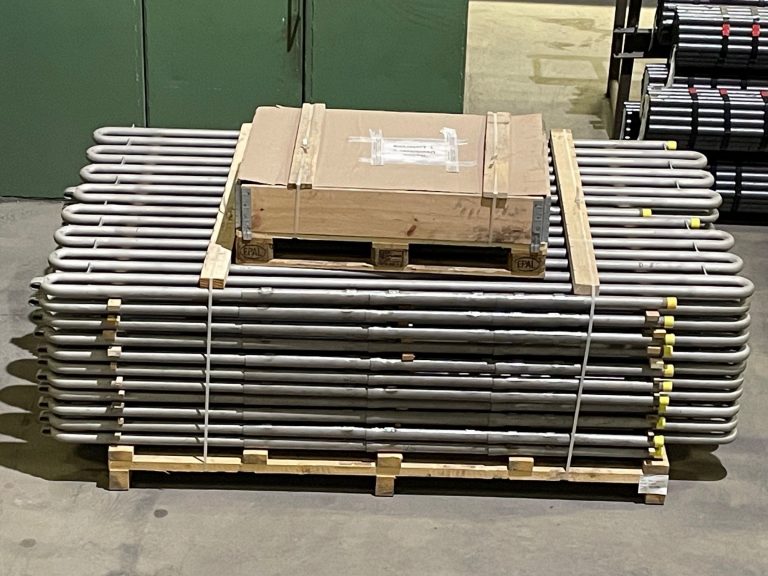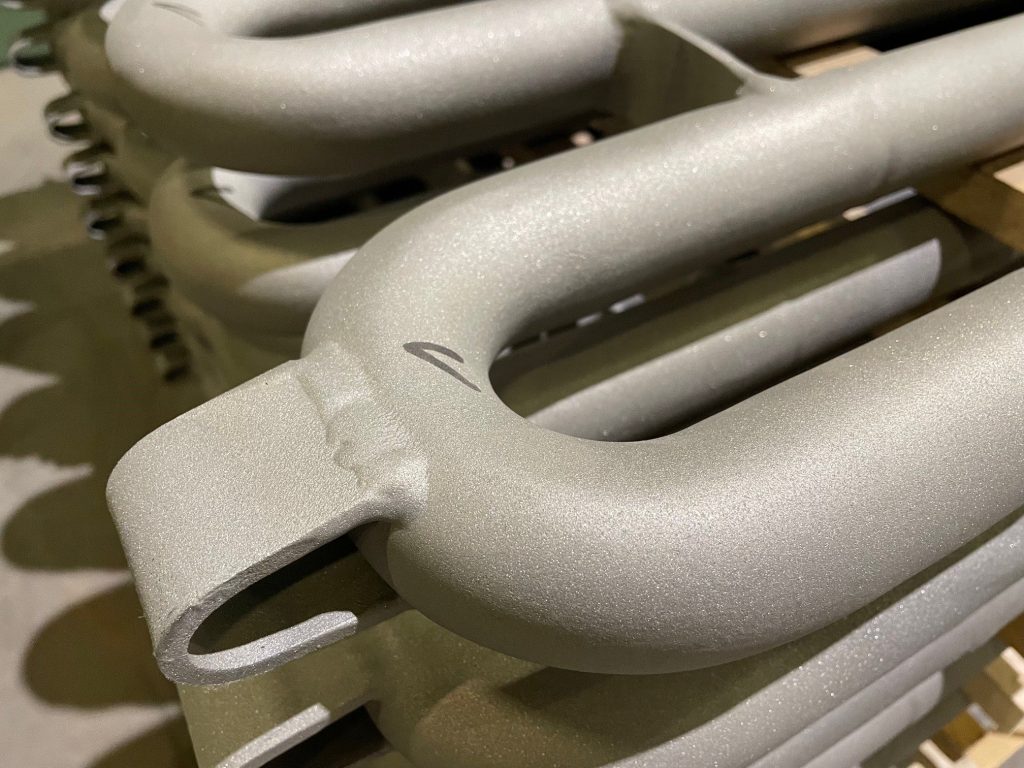
Coating of Superheater Tubes – Reliable Protection for Maximum Service Life
The challenge
In waste-to-energy plants, biomass power stations and RDF (refuse-derived fuel) plants, superheater tubes are exposed to extreme operating conditions: high surface temperatures, aggressive cleaning methods and severe wastage all reduce plant availability.
Our solution
Häuser & Co GmbH has developed an innovative protection system based on a nickel-based plasma-sprayed coating with subsequent thermal post-treatment.
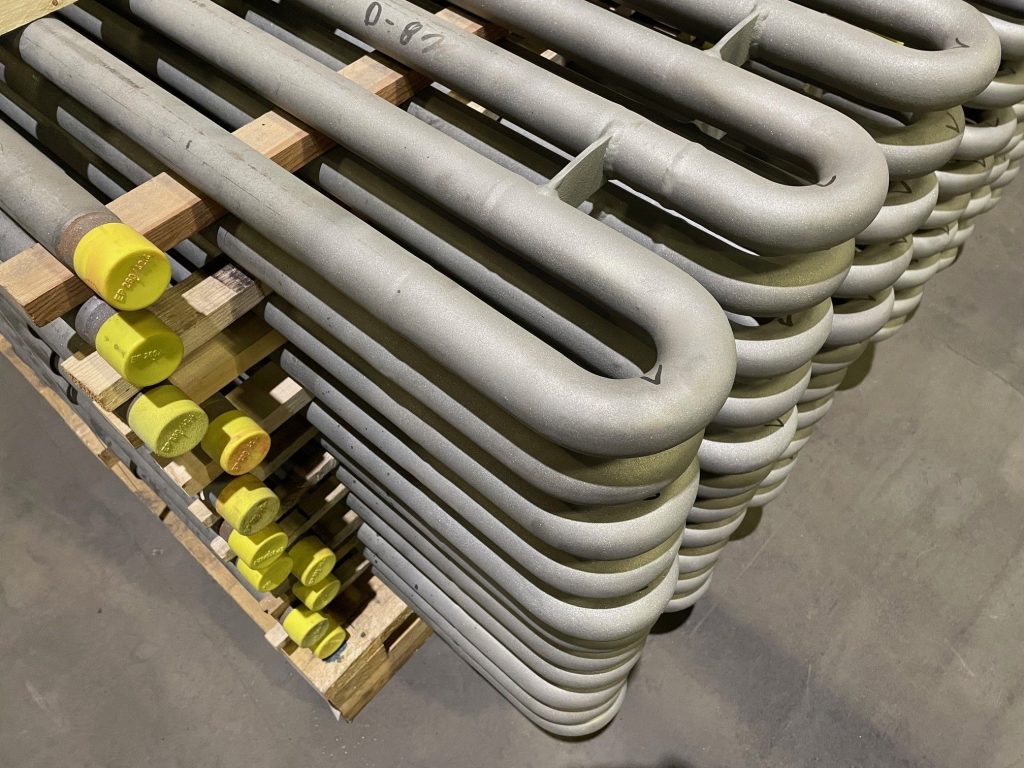
Your Benefits at a Glance
- Maximum corrosion protection: pore-free, gas-tight and smooth surface
- Fewer deposits: optimised cleaning behaviour
- Extended lifetime: significantly improved wear resistance
- Metallurgical bond: virtually undisturbed heat transfer (with an approx. 0.8 mm coating thickness)
- Quality assurance: precise, automated coating of straight tube sections up to 14 m in length
- Tube bends: bend areas are coated manually, as plasma-coated components can no longer be bent afterwards
Production & Application
- In-works coating of new superheater tubes
- Segment-wise coating possible
- Post-treatment of bends, weld seams and supports to ensure uniform protective layers
Experience the Difference
Maximum availability – minimal maintenance effort.
Contact us for a tailored proposal for your plant.
Plasma-Coated Superheater Tubes: Significant Service-Life Extension in a Waste Incineration Plant
In a waste incineration plant (40 bar, 400°C), the superheater tubes after the bend into the third pass were exposed to flue-gas temperatures of 560–650°C and achieved an operating life of around 18 months. A sootblower further increased wastage on the first tube rows. Conventional protection shells did not deliver any improvement, so in 2005 test tubes with a plasma coating (HS 52, 0.8 mm coating thickness) were installed.
The positive results led, from 2008 onwards, to the replacement of the final superheaters in all four boilers with plasma-coated tubes, increasing service life to at least six years.